
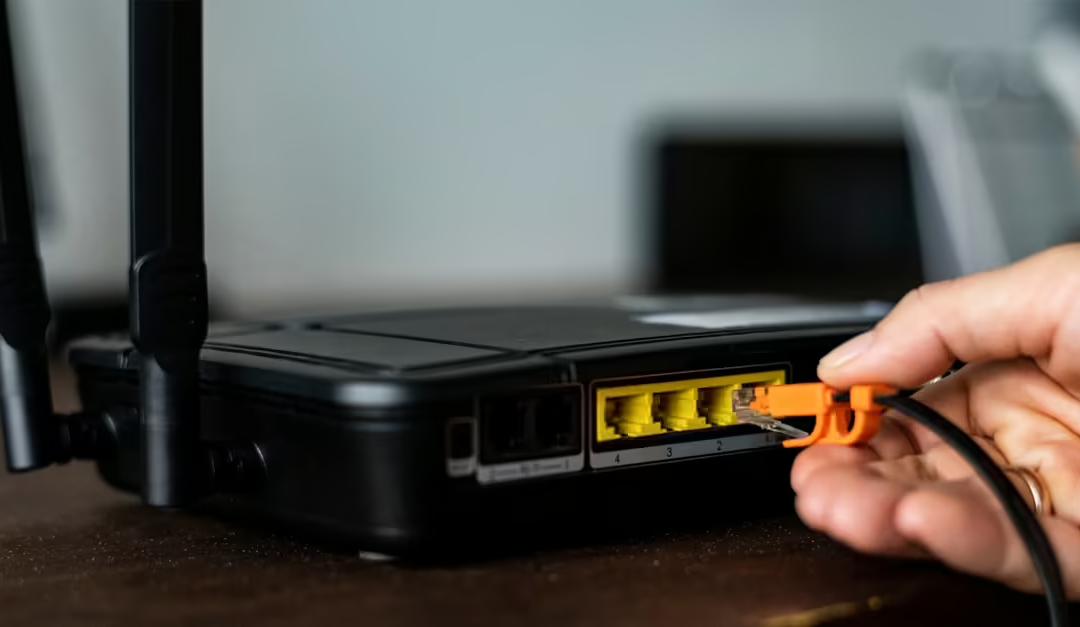
A reliable computer network is the backbone of every modern business. From sending emails and accessing cloud applications to processing customer transactions and supporting communication, nearly every business operation depends on a stable and secure network.
Unfortunately, network problems are inevitable. Slow internet, Wi-Fi dead zones, IP conflicts, faulty hardware, and cyber threats can disrupt operations, reduce employee productivity, and even lead to costly downtime. Industry experts consistently identify slow performance, wireless issues, hardware failures, DNS problems, IP address conflicts, and VPN connectivity as some of the most common business networking challenges.
The good news is that most network issues can be prevented or resolved quickly with proper design, monitoring, maintenance, and professional IT support.
At Orvex Solution, we provide end-to-end networking services, helping businesses build, maintain, and troubleshoot reliable computer networks that support growth and productivity.
Why a Reliable Network Matters
A business network connects employees, devices, printers, servers, cloud applications, and internet services into one integrated environment.
A well-designed network enables:
- Fast communication
- Efficient collaboration
- Secure file sharing
- Reliable internet connectivity
- Access to cloud applications
- Business continuity
- Enhanced cybersecurity
When network problems occur, they can affect every department, resulting in lost productivity, delayed customer service, and missed business opportunities.

1. Slow Network Performance
The Problem
One of the most common complaints in any office is:
"The internet is so slow."
However, slow performance isn't always caused by the internet service provider.
Common causes include:
- Bandwidth congestion
- Too many connected devices
- Outdated networking equipment
- Poor router placement
- Heavy cloud application usage
- Malware
- Excessive background downloads
Network congestion and aging equipment are among the leading causes of poor business network performance.
The Solution
Improve performance by:
- Upgrading business-grade routers and switches
- Increasing internet bandwidth where appropriate
- Implementing Quality of Service (QoS)
- Monitoring network traffic
- Removing unnecessary background applications
- Scheduling large downloads outside business hours
2. Weak Wi-Fi Coverage
The Problem
Employees may experience:
- Weak signal strength
- Frequent disconnections
- Slow wireless speeds
- Dead zones in certain offices
This often occurs because of:
- Poor access point placement
- Thick walls
- Metal structures
- Wireless interference
- Office layout changes

The Solution
Improve wireless performance by:
- Conducting a Wi-Fi site survey
- Installing additional access points
- Repositioning wireless equipment
- Using modern Wi-Fi standards
- Selecting less congested wireless channels
Professional wireless network design ensures reliable coverage throughout the workplace.
3. Frequent Network Disconnects
The Problem
Random connection drops interrupt:
- Video meetings
- Cloud applications
- VoIP phone calls
- File transfers
Possible causes include:
- Faulty network cables
- Loose connections
- Aging switches
- Router failures
- ISP outages
The Solution
Network technicians should:
- Test cables
- Replace damaged connectors
- Check switch ports
- Update firmware
- Monitor hardware health
- Replace failing equipment before it causes extended downtime
4. IP Address Conflicts
The Problem
Every device on a network requires a unique IP address.
When two devices receive the same address, users may experience:
- Connection failures
- Intermittent access
- Inability to reach shared resources
Duplicate IP addresses are a common configuration issue in business networks.
The Solution
Use proper IP address management by:
- Enabling DHCP
- Reserving static IP addresses only where necessary
- Documenting network configurations
- Regularly auditing network devices
5. DNS Problems
The Problem
Sometimes the internet appears unavailable even though the network connection is active. The issue may be slow or failed Domain Name System (DNS) resolution, which translates website names into IP addresses.
The Solution
Network administrators can:
- Configure reliable DNS servers
- Flush DNS caches when needed
- Monitor DNS response times
- Maintain redundant DNS services for critical environments
6. Hardware Failures
The Problem
Network hardware has a finite lifespan.
Equipment that may fail includes:
- Routers
- Switches
- Firewalls
- Wireless access points
- Network interface cards
- UPS systems
Hardware failures often cause unexpected outages and degraded performance.
The Solution
Prevent failures by:
- Scheduling preventive maintenance
- Replacing aging equipment
- Keeping spare critical components
- Monitoring hardware health
- Updating firmware regularly
A proactive maintenance strategy reduces unplanned downtime.
7. Network Security Threats
The Problem
Modern business networks face constant threats from:
- Malware
- Ransomware
- Unauthorized access
- Phishing attacks
- Data breaches
Without proper protection, attackers can compromise sensitive information and disrupt operations.
The Solution
Implement layered security, including:
- Enterprise firewalls
- Endpoint protection
- Multi-factor authentication (MFA)
- Network segmentation
- Secure Wi-Fi encryption
- Regular software updates
- Employee cybersecurity training
Strong network security should be integrated into everyday business operations, not treated as an afterthought.
8. Printer Connectivity Issues
The Problem
Shared office printers often experience:
- Offline status
- Print queue failures
- Driver conflicts
- Network communication errors
These issues can delay important business tasks.
The Solution
Ensure:
- Proper network printer configuration
- Updated drivers
- Correct IP assignments
- Secure wireless connectivity
- Routine maintenance
Professional setup minimizes recurring printer-related issues.
9. VPN Connection Problems
The Problem
With remote and hybrid work becoming common, Virtual Private Networks (VPNs) are essential for secure access to company resources.
Users may experience:
- Authentication failures
- Slow connections
- Inability to connect
- Session drops
VPN connectivity issues often stem from incorrect credentials, firewall settings, or outdated client software.
The Solution
Businesses should:
- Use secure, modern VPN solutions
- Keep VPN software updated
- Verify firewall configurations
- Train users on secure remote access practices
10. Poor Network Monitoring
The Problem
Many businesses only discover network issues after employees begin reporting them. Without monitoring, small issues can escalate into major outages.
The Solution
Network monitoring tools provide real-time visibility into:
- Bandwidth usage
- Device health
- Latency
- Packet loss
- Downtime
- Unauthorized access attempts
Proactive monitoring enables IT teams to detect and resolve issues before they impact business operations.
Best Practices for Maintaining a Healthy Network
Businesses can reduce network issues by following these best practices:
- Schedule regular network health assessments.
- Keep networking equipment updated.
- Replace obsolete hardware.
- Use strong cybersecurity controls.
- Document network configurations.
- Back up critical data regularly.
- Monitor network performance continuously.
- Train employees on safe technology practices.
- Work with experienced IT professionals for ongoing maintenance.
Preventive maintenance is almost always more cost-effective than responding to emergency failures.
Why Choose Orvex Solution?
At Orvex Solution, we understand that your network is the foundation of your business operations. Our experienced team delivers reliable networking solutions designed to maximize uptime, enhance security, and support your organization's growth.
Our networking services include:
- Computer network design and installation
- Structured cabling
- Wireless network deployment
- Router and switch configuration
- Network troubleshooting
- Server installation and support
- Firewall implementation
- Network security solutions
- Preventive maintenance
- Ongoing managed IT support
Whether you're setting up a new office, expanding your existing infrastructure, or resolving persistent connectivity issues, we provide professional solutions tailored to your business needs.
Conclusion
Computer network problems are an inevitable part of modern IT environments, but they don't have to disrupt your business. From slow internet and Wi-Fi dead zones to IP conflicts, hardware failures, and cybersecurity threats, most issues can be prevented through proactive planning, regular maintenance, and expert support.
By investing in a well-designed, secure, and professionally managed network, businesses can improve productivity, reduce downtime, and create a reliable technology foundation for future growth.
If you're experiencing recurring network issues or planning to upgrade your IT infrastructure, Orvex Solution is ready to help with dependable networking solutions, expert technical support, and proactive maintenance services that keep your business connected and running efficiently.